
Industrial Entrepreneur Memorandum (IEM): Filing Guide and Requirements
An Industrial Entrepreneur Memorandum (IEM) is a mandatory declaration that eligible large manufacturing businesses in India submit to the Department for Promotion of Industry and Internal Trade (DPIIT). It applies to manufacturing projects operating in de-licensed sectors that exceed the prescribed investment or turnover limits. Filing an IEM does not grant permission to start operations. Instead, it notifies the government about the proposed industrial project. Companies generally submit Part A before establishing the unit and Part B after commercial production begins. This guide explains who must file an IEM, the latest eligibility criteria, the filing process, required documents, and how it differs from an Industrial License.
Besides meeting regulatory requirements, IEM filings also help the government track industrial investment, manufacturing capacity, and long-term industrial policy planning across India.
Industrial Entrepreneur Memorandum (IEM) at a Glance
| Requirement | Details |
|---|---|
| Full Form | Industrial Entrepreneur Memorandum |
| Filed With | DPIIT |
| Portal | NSWS |
| Mandatory | Yes (for eligible enterprises) |
| Part A | Before project setup |
| Part B | After commercial production |
Who Must File IEM – Eligibility and Thresholds
Not every industry project needs an IEM. By law, only large-scale manufacturing enterprises beyond defined limits must file. In April 2025 DPIIT raised these thresholds significantly. Now enterprises with investment in plant & machinery above ₹125 crore or annual turnover above ₹500 crore are required to file an IEM acknowledgement. (Previously, the thresholds were ₹50 crore and ₹250 crore respectively.) In other words, only very large compnies beyond the limits for MSMEs file IEMs. A 2025 press release emphasizes that IEM is aimed at “companies having investment in plant and machinery or turnover beyond the limits set for MSMEs”.
Key point: If your venture is below these limits, you do not file an IEM. Small and medium enterprises now register instead under the Udyam (MSME) system (the old Entrepreneur’s Memorandum process was replaced by Udyam registration in 2020). Similarly, if your industry requires a special license under the Industries (D&R) Act (like defense, atomic energy, or certain chemicals), you would apply for an Industrial License instead of an IEM.
By contrast, exempt industries (de-licensed sectors) above the IEM thresholds use this memorandum to notify DPIIT of their project, any large manufacturng project not on the compulsory-license list must file IEM Part-A before setting up, and then Part-B after production begins.
Filing Process: Part A and Part B (and Amendments)
All IEM filings are completed through the National Single Window System (NSWS), the Government of India’s official portal for business approvals. Businesses should always refer to the official NSWS portal for the latest filing procedures, applicable fees, and submission requirements.
Part A
Submit Part A before setting up the manufacturing unit. Provide company details, project location, proposed products, investment, production capacity, and supporting documents. After submission, NSWS generates an electronic acknowledgement.
Part B
File Part B after commercial production begins. Include actual investment, production date, installed capacity, employment details, and supporting documents such as the Part A acknowledgement and relevant statutory certificates.
Amendments
If project details change, update the IEM through the NSWS portal by submitting an amendment request with the revised information and supporting documents.
Filing Details and Tips
| Step | Recommendation |
|---|---|
| Registration | Create an NSWS account before filing |
| Fees | Pay online during submission |
| Timeline | File Part A before setup and Part B after production |
| Documents | Verify investment figures and NIC codes |
Documents Required for an Industrial Entrepreneur Memorandum (IEM)
While the exact requirements may vary depending on the project, businesses are typically expected to prepare:
- Company PAN and CIN
- Certificate of Incorporation
- Registered office details
- Project location information
- Investment details
- Plant and machinery information
- NIC code
- Authorized signatory details
Preparing these documents in advance can help make the filing process through the NSWS portal smoother and reduce the chances of delays caused by missing information.
IEM vs. Industrial License
| Aspect | Industrial License | Industrial Entrepreneur Memorandum (IEM) |
|---|---|---|
| Applicability | Compulsory for industries listed under the Industrial (D&R) Act (e.g. defense, atomic, hazardous chemicals). | Mandatory for de-licensed large projects above threshold (₹125Cr invest or ₹500Cr turnover). |
| Purpose | Government approval to set up or expand in a licensed industry. | Self-declaration of intent to establish/expand; creates official record. |
| Approval Required | Requires prior approval from relevant ministry/agency. | No prior clearance given (auto-acknowledgement issued). |
| Authority | DPIIT or specified ministry for licensed industries. | DPIIT (Commerce & Industry) issues acknowledgement. |
| Filing Process | Apply on NSWS for license; may require scrutiny, inspections. | File online on NSWS G2B portal; acknowledgement auto-generated. |
| Outcome | Industrial License granted (permission to operate). | IEM Acknowledgement (not a license or permit). |
| Updates/Amendments | Amendments require fresh application/clearance. | IEM can be amended online for project changes. |
Is Industrial Entrepreneur Memorandum Still Applicable?
Yes. The Industrial Entrepreneur Memorandum remains applicable for eligible manufacturing enterprises operating in de-licensed sectors. While the filing process has moved online through the National Single Window System (NSWS) and eligibility thresholds have changed over time, the requirement itself has not been discontinued.
Submitting IEM on the National Single Window System
All new IEM applications are submitted through the National Single Window System (NSWS). The portal allows businesses to file Part A, Part B, and amendment requests, track application status, pay applicable fees, and download electronic acknowledgements from one place.
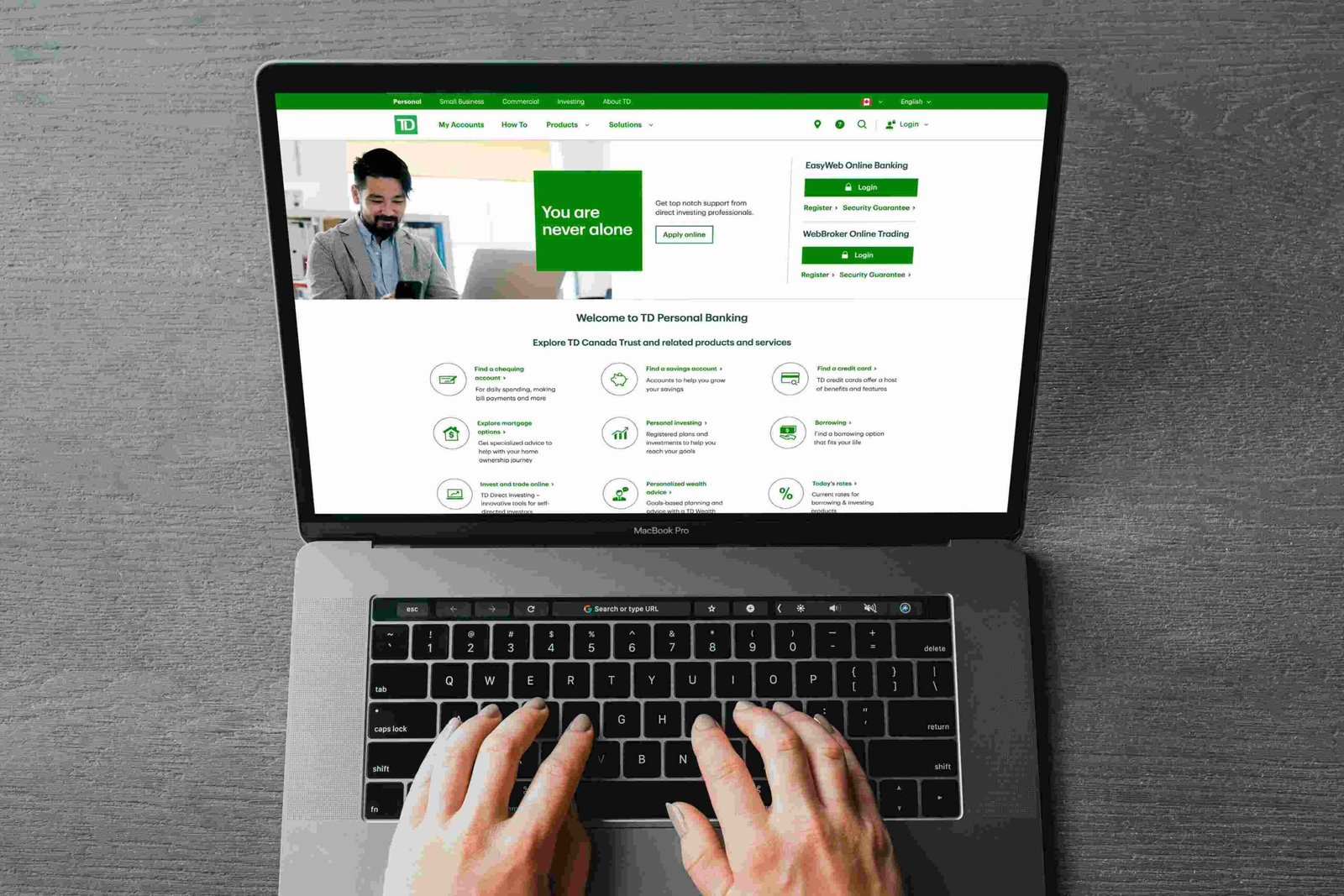
Image: Illustration of the National Single Window System (NSWS) portal. In 2025 DPIIT migrated all IEM filings to NSWS, offering single-point access for IEM Part-A, Part-B, and amendments along with traking and payments. The image shows the NSWS interface and branding.
For example, a news update explained that new NSWS users must register and fill in their entity details (name, CIN, PAN, signatories) before applying. Then they select “Industrial Entrepreneur Memorandum” under Central Approvals on NSWS and provide project details (sector, NIC code, capacity, investment, GST-linked location, etc.). Once submitted, an e-signed IEM acknowledgement appears on the dashboard. Companies then file Part B after production on the same platform, and can file amendments to Part-A if needed.
Limitations
While IEM streamlines compliance, it has limitations. Critical point: an IEM acknowledgement does not waive other legal requirements. Firms must still obtain any necessary statutory clearances (environment, factory license, pollution consents, etc.) before starting operations. In fact, DPIIT’s documentation stresses that the IEM “cannot be construed as clearance” unless all other regulations are met.
The most common filing mistakes are using the wrong NIC code, reporting inconsistent investment figures, or forgetting to submit Part B after production begins. Reviewing the application carefully before submission helps avoid unnecessary corrections or delays.
Best Practices
Following a few practical best practices can help businesses avoid delays and unnecessary corrections during the filing process.
- File Part A before beginning construction or installing machinery.
- Use the correct NIC code and accurate investment figures.
- Keep all supporting documents ready before submission.
- File Part B after commercial production starts.
- Remember that an IEM does not replace environmental, factory, or other statutory approvals.
Who Does Not Need an IEM?
- MSMEs registered under Udyam
- Businesses below the eligibility thresholds
- Licensed industries requiring an Industrial License
- Service businesses
- Trading companies
FAQs
Q: Who must file an IEM?
A: Large manufacturing businesses in de-licensed sectors that exceed the prescribed investment or turnover limits must file an IEM with DPIIT.
Q: Does an IEM replace an Industrial License?
A: No. An IEM is only a declaration. Industries that require licensing must still obtain an Industrial License.
Q: When should Part B be filed?
A: File Part B after commercial production begins and within the timeline specified by DPIIT.
Q: Can I amend an IEM?
A: Yes. Businesses can submit amendment requests through the NSWS portal if project details change.
Q: Is IEM mandatory for MSMEs?
A: No. Eligible MSMEs register through Udyam instead of filing an IEM.
Q: Where can I file an IEM?
A: All new IEM applications are submitted online through the National Single Window System (NSWS).
References
- DPIIT
- National Single Window System (NSWS)
- Press Information Bureau (PIB)
- India Code
- Ministry of MSME