
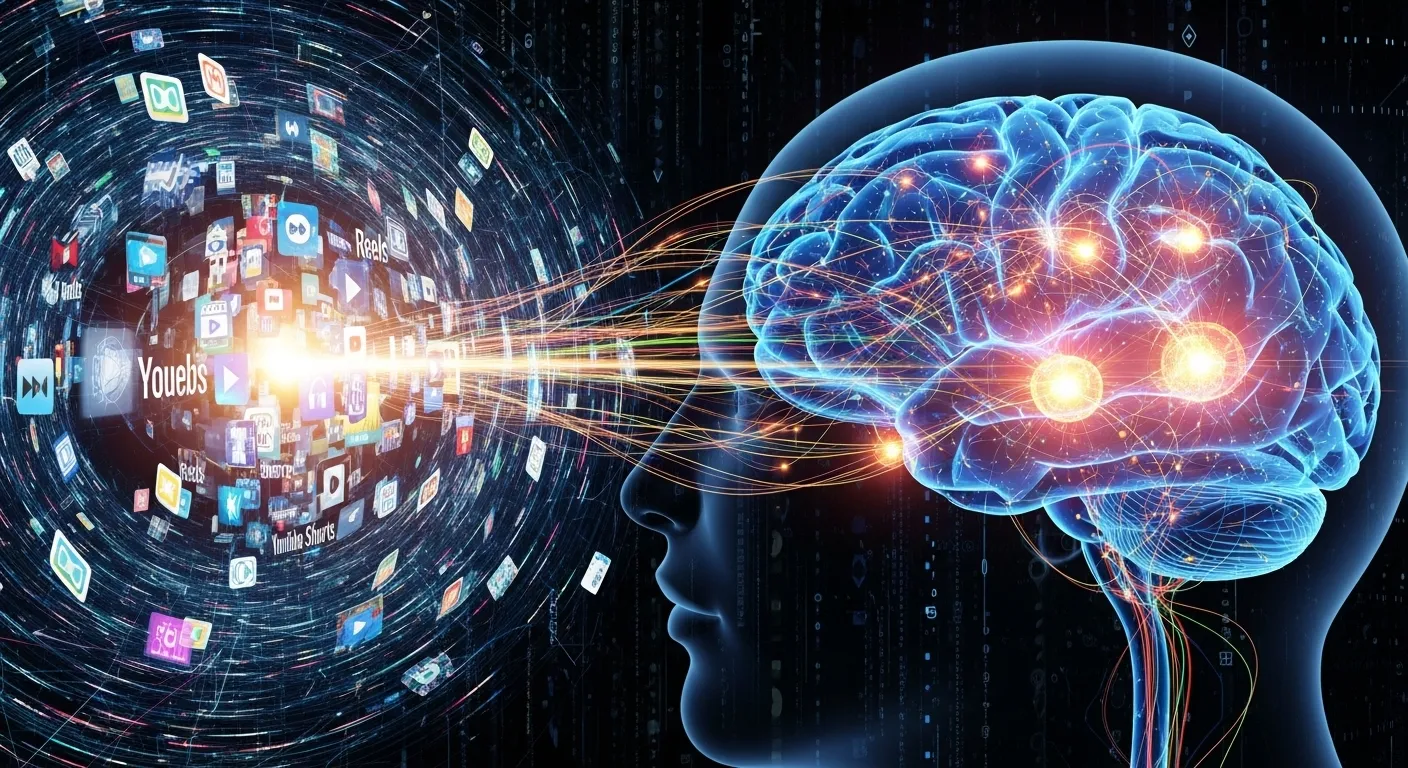
In the digital world, consumers are constantly exposed to advertisements, social media content, and online offers. However, not all marketing messages are equally effective. The difference lies in understanding consumer psychology.
Digital marketing psychology focuses on how emotions, perceptions, and decision-making patterns influence buying behavior. When businesses understand these psychological triggers, they can design campaigns that connect better with their audience and drive meaningful engagement.
What is Consumer Behavior in Digital Marketing?
Consumer behavior refers to the way individuals make decisions about what they buy, why they buy it, and how they respond to marketing messages.
Key Factors Influencing Behavior
- Emotions and feelings
- Social influence
- Personal needs and preferences
- Brand trust and reputation
- Online reviews and recommendations
Understanding these factors helps marketers predict and influence customer decisions more effectively.
The Psychology Behind Digital Marketing
1. Emotional Triggering
People often make buying decisions based on emotions rather than logic.
Examples:
- Happiness-driven ads
- Fear of missing out (FOMO)
- Inspirational storytelling
2. The Power of Social Proof
Consumers trust what others say about a product more than the brand itself.
Examples:
- Customer reviews
- Testimonials
- Influencer endorsements
- Ratings and feedback
3. Scarcity and Urgency
Limited-time offers and low-stock messages create urgency, encouraging faster decisions.
Impact:
- Faster purchases
- Reduced hesitation
- Increased conversions
4. The Principle of Reciprocity
When businesses offer something valuable for free, customers feel more inclined to return the favor.
Examples:
- Free trials
- Free e-books
- Discounts and samples
5. Authority and Trust
People are more likely to trust experts and established brands.
Factors:
- Professional branding
- Certifications
- Expert content
- Industry recognition
6. Cognitive Bias in Decision Making
Consumers often rely on mental shortcuts when making decisions.
Examples:
- Anchoring effect (first price seen influences perception)
- Choice overload (too many options reduce decisions)
- Confirmation bias (people prefer information that supports beliefs)
7. Color Psychology in Marketing
Colors influence emotions and buying behavior.
Common Associations:
- Red: urgency and excitement
- Blue: trust and professionalism
- Green: growth and calmness
- Black: luxury and authority
8. Storytelling in Marketing
Stories create emotional connections that facts alone cannot achieve.
Benefits:
- Better engagement
- Stronger brand recall
- Emotional connection with audience
9. Personalization Effect
Consumers respond better to content tailored to their interests and behavior.
Examples:
- Personalized emails
- Product recommendations
- Targeted ads
10. Decision Simplicity
The easier it is for users to make a decision, the more likely they are to convert.
Strategies:
- Simple website design
- Clear call-to-actions
- Fewer distractions
How Businesses Use Psychology in Digital Marketing
Improving Advertising Campaigns
Marketers design ads that appeal to emotions and motivations.
Enhancing User Experience
Websites are structured to reduce confusion and guide users toward action.
Increasing Conversions
Psychological triggers like urgency and social proof help increase sales.
Building Brand Loyalty
Consistent messaging and trust-building strategies improve long-term customer relationships.
Common Mistakes in Consumer Psychology Marketing
Overloading Users with Information
Too much information can overwhelm customers and reduce engagement.
Ignoring Emotional Appeal
Focusing only on logic reduces marketing effectiveness.
Weak Branding
Lack of trust reduces customer confidence and conversions.
Poor Targeting
Irrelevant ads fail to connect with the right audience.
Benefits of Understanding Consumer Behavior
- Higher conversion rates
- Better marketing ROI
- Stronger customer engagement
- Improved brand loyalty
- More effective campaigns
- Deeper audience understanding
The Future of Digital Marketing Psychology
As technology evolves, AI and data analytics will make consumer behavior analysis more accurate and personalized. Businesses will be able to predict customer needs and deliver highly targeted experiences in real time. However, ethical marketing and user trust will remain critical for long-term success.
Key Takeaways
- Digital marketing is strongly influenced by psychology.
- Emotions play a key role in buying decisions.
- Social proof builds trust and credibility.
- Scarcity and urgency increase conversions.
- Personalization improves engagement.
- Simplicity leads to better user decisions.
Conclusion
The psychology of digital marketing helps businesses understand what drives consumer decisions and how to influence them effectively. By applying psychological principles such as emotional triggers, social proof, and personalization, marketers can create powerful campaigns that connect with audiences on a deeper level. In the evolving digital landscape, understanding consumer behavior is essential for achieving long-term marketing success.