

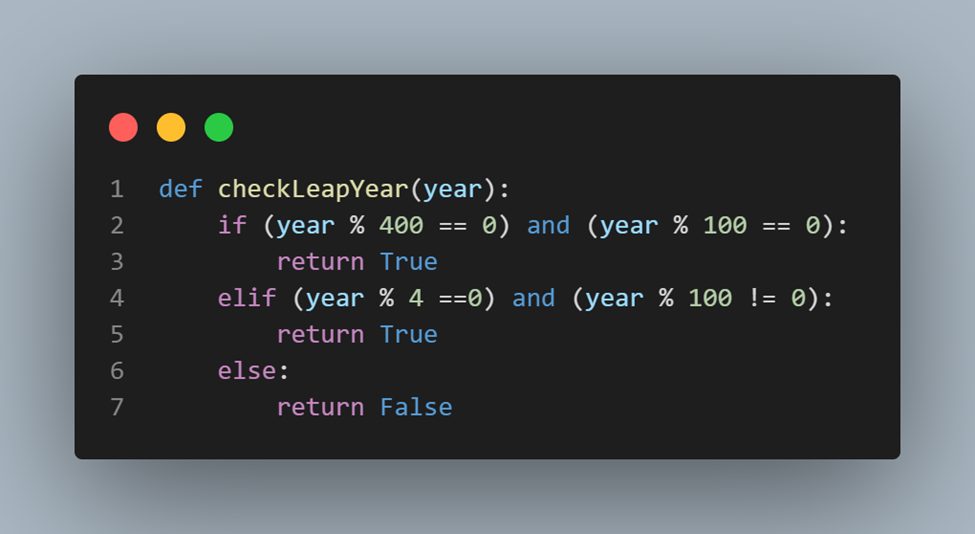
Have you ever opened an old project and struggled to understand your own code? Or spent hours debugging a simple issue because the codebase was difficult to follow? These problems often stem from poor coding practices rather than technical complexity.
Clean code is one of the most important skills for software developers. It improves readability, reduces bugs, and makes software easier to maintain as projects grow. Whether you’re working alone or as part of a team, followng clean code principles can save significant time and effort.
What is Clean Code?
Clean code refers to code that is easy to read, understand, and modify without confusion.
Key Characteristics
- Easy to read
- Well-structured
- Consistent formatting
- Minimal complexity
- Self-explanatory logic
Clean code is not just about syntax—it is about clarity and simplicity.
Why Clean Code Matters
Writing clean code improves both individual and team productivity while reducing long-term maintenance costs.
Benefits
- Easier debugging
- Better collaboration
- Faster development
- Reduced errors
- Improved scalability
- Long-term maintainability
Clean Code vs Bad Code
- Clean code is easy to understand and maintain.
- Bad code often contains confusing names, duplicated logic, and unnecessary complexity.
- Clean code reduces technical debt and makes collaboration easier.
Clean Code Principles Every Developer Should Follow
1. Write Readable Code
Code should be easy to understand without needing extra explanation.
Best Practices:
- Use meaningful names
- Avoid complex logic in one line
- Keep code simple and clear
2. Use Meaningful Variable and Function Names
Names should clearly describe what the variable or function does.
Good Example:
- calculateTotalPrice()
- userAge
Developers should be able to understand the purpose of a variable or function simply by reading its name. Clear naming reduce confusion and improves maintanability.
Bad Example:
- calc()
- x1
3. Keep Functions Small and Focused
Each function should perform one specific task.
Benefits:
- Easier testing
- Better readability
- Improved reuse
- Less complexity
4. Avoid Code Duplication
Repeated code increases errors and makes maintenance harder.
Solution:
- Use functions
- Create reusable components
- Apply DRY (Don’t Repeat Yourself) principle
5. Write Self-Documenting Code
Code should explain itself without needing excessive comments.
Tip:
- Use clear logic instead of explaining every line
6. Maintain Consistent Formatting
Consistency improves readability across the entire project.
Includes:
- Indentation
- Spacing
- Naming conventions
- Code structure
7. Keep Code Simple (KISS Principle)
KISS = Keep It Simple, Stupid
Guidelines:
- Avoid unnecessary complexity
- Use straightforward logic
- Prefer simplicity over clever tricks
For example, a simple solution that solves a problem clearly is often better than a highly complex implementation that is difficult for other developers to understand.
8. Remove Unused Code
Unused variables or functions create confusion and clutter.
Why It Matters:
- Cleaner codebase
- Easier maintenance
- Better performance
9. Handle Errors Properly
Proper error handling prevents system crashes and improves reliability.
Best Practices:
- Use try-catch blocks
- Provide meaningful error messages
- Log errors for debugging
10. Write Testable Code
Code should be easy to test and validate.
Benefits:
- Better reliability
- Easier debugging
- Improved software quality
Common Mistakes in Code Quality
Writing Overly Complex Code
Complex logic makes code hard to understand and maintain.
Ignoring Naming Conventions
Poor naming leads to confusion and errors.
Lack of Structure
Disorganized code becomes difficult to scale.
Not Refactoring Code
Old or messy code should be improved regularly.
Overusing Comments
Excessive comments often indicate unclear code.
Best Practices for Clean Code Development
Plan Before You Code
Understanding requirements reduces unnecessary complexity.
Refactor Regularly
Improve existing code to keep it clean and efficient.
Follow Coding Standards
Stick to language-specific best practices.
Use Version Control
Track changes and maintain code history.
Review Code Frequently
Code reviews help maintain quality and consistency.
Benefits of Clean Code
- Easier maintenance
- Faster onboarding of new developers
- Reduced bugs and errors
- Improved collaboration
- Better scalability
- Higher software quality
Clean Code in Real Projects
In real-world applications, clean code is essential for teamwork and long-term success. Companies such as Google, Microsoft, and Meta maintain coding standards and code review processes to ensure software remains scalable and maintainable as teams grow.
The Future of Clean Code Practices
As software systems become more complex, clean code principles will remain critical. With the rise of AI-assisted development tools, coding standards will become even more important to ensure consistency and readability across automated and human-written code.
Key Takeaways
- Clean code is readable, simple, and maintainable.
- Meaningful naming improves clarity.
- Small, focused functions are easier to manage.
- Avoiding duplication reduces errors.
- Consistency is key to professional coding.
- Proper structure improves scalability.
- Clean code enhances teamwork and productivity.
Conclusion
Clean code is a fundamental skill every developer should master. It not only improves the quality of software but also makes collaboration and maintenance easier. By following clean code principles such as simplicity, consistency, and readability, developers can build scalable, efficient, and professional-grade applications that stand the test of time.