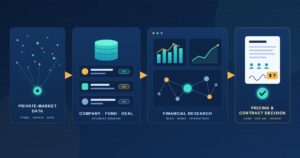


When people search for best AI avatar creators for telehealth consultations, they usually expect a long list of tools and features.
But that approach creates confusion instead of clarity.
Because in real telehealth use, the question is not:
“Which AI avatar tool has the most features?”
The real question is:
“Where do AI avatars actually make communication easier for patients?”
Once you understand that, the topic becomes much simpler.
AI avatar tools should always be used as communication support tools, not medical decision-making systems.
Clear communication is a long-standing challenge in healthcare. Organizations such as the Agency for Healthcare Research and Quality (AHRQ) emphasize that patients often forget or misunderstand medical instructions after appointments, making clear follow-up communication an important part of quality care. AI avatars can help present standardized information in a consistent and easy-to-understand format, but they should always complement, not replace, clinical judgment.
Think of AI Avatars as “Explainers,” Not Healthcare Systems
AI avatar tools are not medical systems. They don’t diagnose anything and they don’t replace doctors.
They do one specific job:
They turn written instructions into clear spoken video explanations.
They can also improve consistency. Instead of every staff member explaining the same preparation steps differently, clinics can create one reviewed script and deliver the same information to every patient. This helps reduce variation in routine communication while allowing clinecians to focus on patient care.
Some organizations are even exploring advanced presentation formats such as hologram-style AI avatars for events and demonstrations.
Understanding the best ai avatar creators for telehealth consultations, is not about comparing features first, but about knowing where they actually fit in healthcare workflows.
In telehealth, this matters because patients often struggle with:
- medical instructions written in complex language
- post-consultation care steps
- preparation guidelines before appointments
AI avatars simply make this information easier to understand.
Where AI Avatars Actually Help in Telehealth
Let’s break this into real situations, not theory.
1. Before the Consultation (Reducing Confusion)
Patients often don’t know:
- what documents to bring
- how to prepare for tests
- what symptoms they should track
Instead of sending long PDFs, clinics can send short AI avatar video explaining everything clearly.
This reduces missed appointments and misunderstanding.
2. During the Consultation (Important Clarification)
This is where many people get confused.
AI avatars are NOT used here.
The actual consultation still happens between:
- doctor
- patient
AI does not replace medical decision-making.
3. After the Consultation (Most Valuable Use Case)
This is where AI avatars are actually most useful.
Patient often forget instructions like:
- medication timing
- lifestyle changes
- follow-up steps
A short AI avatar video can repeat these instructions in a clear, calm voice.
This improves understanding without ading workload for doctors.
Where AI Avatars Should Not Be Used
AI avatars should not diagnose illnesses, recommend medications, interpret laboratory results, or make treatment decisions without qualified clinical oversight. They are best suited to educational and administrative communication rather than direct medical decision-making.
- Diagnosing symptoms
- Emergency advice
- Prescribing medication
- Interpreting medical imaging
- Making treatment decisions
The Only AI Avatar Tools You Actually Need to Know
You don’t need 20 tools. In real telehealth use, only a few matter.
If you’re still comparing platforms, our guide to AI Avatar Services Offering Free Trials or Tiers can help you evaluate different options before choosing a tool.
The best ai avatar creators for telehealth consultations are the ones that fit real clinical communication needs, not just video generation features.
Synthesia (Structured Healthcare Communication)
Synthesia
Officially, Synthesia is widely used for training, onboarding, and educational content rather than clinical decision support, making it a better fit for standardized patient communication than real-time consultations.
HeyGen (More Human-Like Patient Communication)
HeyGen
HeyGen is particularly useful for creating patient education videos in multiple languages and a more conversational style. Its natural-looking avatars and voice translation features make it well suited for clinics communicating with diverse patient populations, although medical information should always be reviewed by qualified healthcare professionals before publication.
D-ID (Quick and Lightweight Video Explanations)
D-ID
D-ID focuses on turning images or avatars into speaking presenters, making it useful for short patient explainers, appointment reminders, and onboarding messages. It is better suited to lightweight communication than producing large libraries of structured healthcare training content.
Colossyan (Training and Internal Healthcare Education)
Colossyan
Officially, Colossyan is designed for workplace learning, onboarding, and instructional content. In healthcare, it works well for creating standardized staff training, compliance education, and patient information videos, but it is not intended for diagnosis, treatment recommendations, or real-time clinical consultations.
When Does an AI Avatar Actually Add Value?
Instead of comparing tools, use this simple rule:
If a patient would understand something better by watching a short explanation instead of reading text → use an AI avatar.
If not → don’t use it.
That’s it.
No complexity needed.
A Realistic Example (How Clinics Use It Today)
Here’s what a simple clinic workflow looks like:
- Patient books appointment
- Receives AI avatar video explaining preparation
- Doctor conducts consultation
- Patient receives AI avatar video for medication instructions
- Automated follow-up reminder is sent later
The result is not “AI replacing healthcare.”
It’s just:
- fewer misunderstandings
- fewer repeated calls
- clearer communication
Common Mistakes to Avoid
1. Using AI avatars for everything
Not every message needs a video. Some instructions are better as simple text.
2. Writing overly complex scripts
If the explanation is complicated, the video will still confuse patients.
3. Thinking the tool is the solution
The tool doesn’t matter as much as the clarity of the message.
Even the best platform fails with a bad script.
What Actually Matters in Telehealth AI Avatars
Forget features for a moment. Focus on this:
- Is the message easy to understand?
- Is the timing correct (before or after consultation)?
- Does it reduce confusion or increase it?
- Does it feel calm and human-like?
If the answer is yes, the tool is working.
Privacy and Compliance Considerations
Healthcare organizations should confirm where patient data is processed, how uploaded videos are stored, and whether content is used to improve AI models. Providers should also review access controls, retention policies, audit logs, and regulatory requirements such as HIPAA in the United States or GDPR in Europe before deploying AI avatar workflows. When possible, avoid including personally identifiable patient information in AI-generated content unless appropriate safeguards are in place.
Checklist Before Choosing an AI Avatar Tool
- Can healthcare staff update videos easily?
- Does the platform support multiple languages?
- Are security controls documented?
- Can scripts be reviewed before publishing?
- Is pricing predictable for regular patient communication?
- Does it integrate with existing workflows?
Key Takeaways
- AI avatars are communication tools, not medical systems
- They are most useful before and after consultations
- The goal is clarity, not automation overload
- Tools like Synthesia, HeyGen, D-ID, and Colossyan serve different roles
- Simple communication always wins over complex features
What I learned
One pattern becomes clear when comparing today’s leading AI avatar platforms: the differences between them matter far less than the quality of the communication they deliver. A well-written 60-second patient explanation usually provides more value than a highly polished video with a confusing script.
FAQs
1. Do AI avatar tools replace doctors in telehealth?
No. They only help explain information clearly. Doctors still handle all medical decisions.
2. Where do AI avatars actually help in healthcare?
They are mainly used for patient instructions, onboarding, and follow-up care.
3. Do I need advanced tools to use AI avatars?
No. Most platforms work by simply typing a script and generating a video.
Conclusion
When choosing the best AI avatar creators for telehealth consultations, the real focus should always be communication clarity, not technical complexity.
Ultimately, the best ai avatar creators for telehealth consultations are the ones that improve clarity, reduce confusion, and support doctors, not replace them.